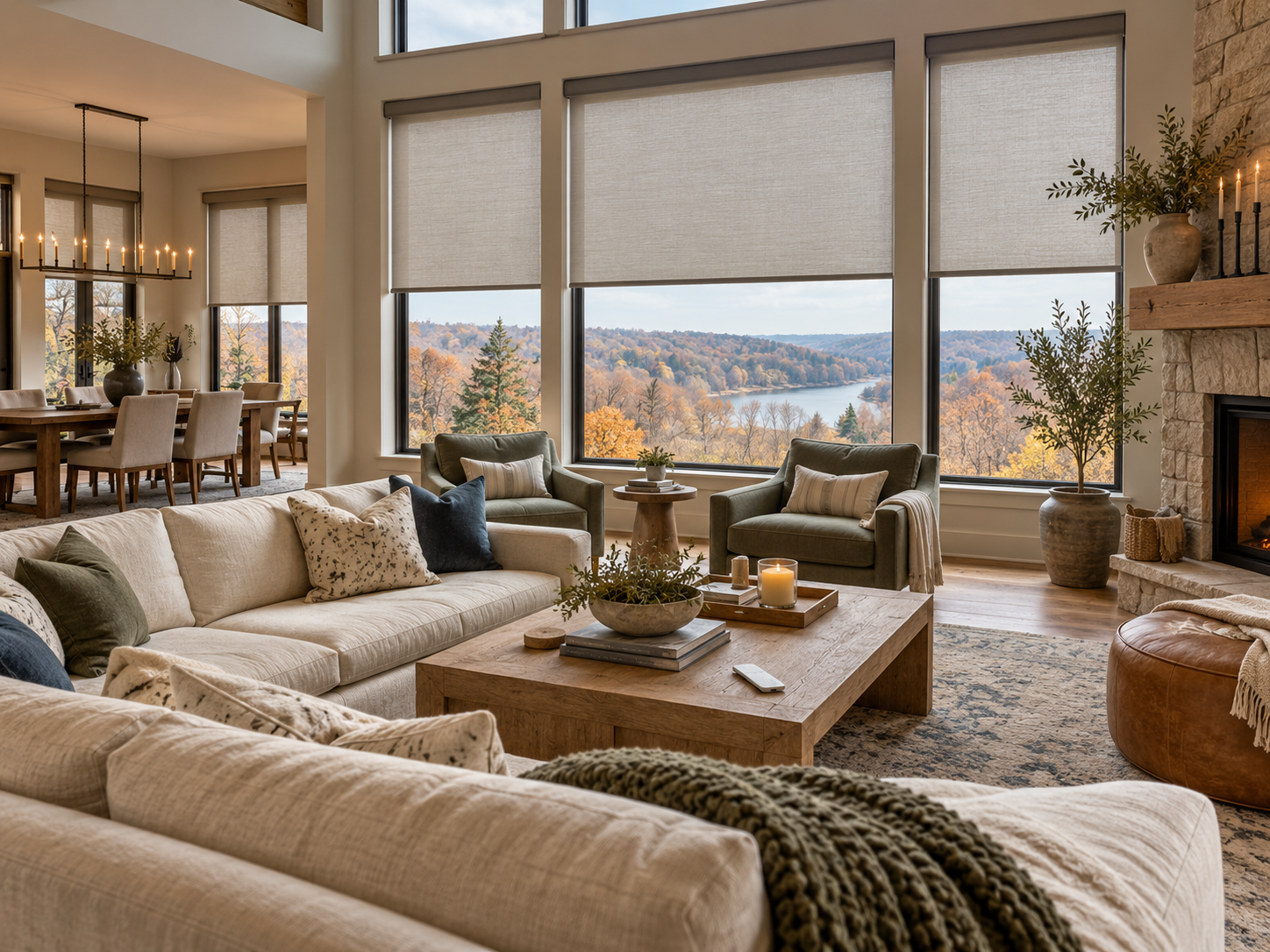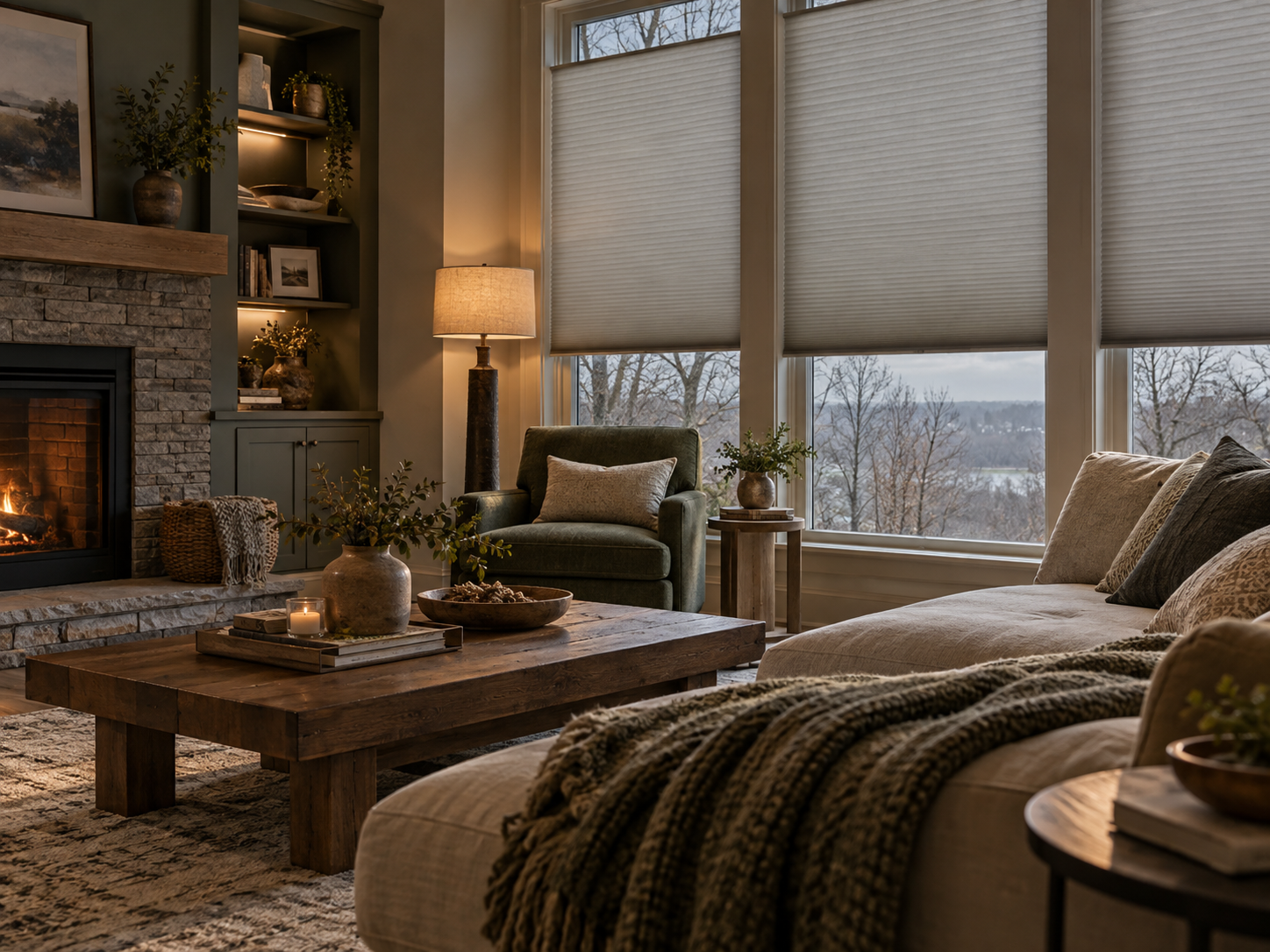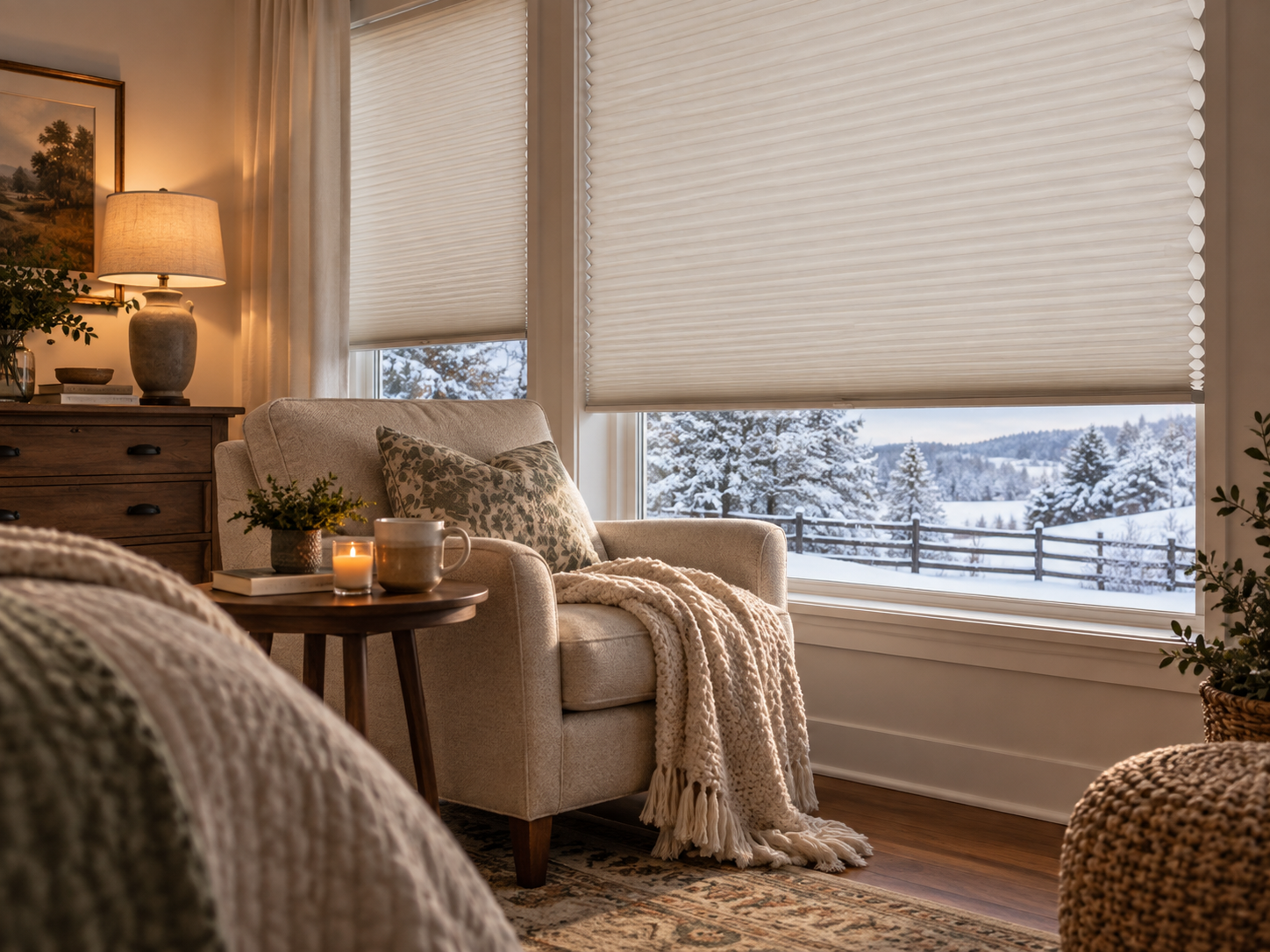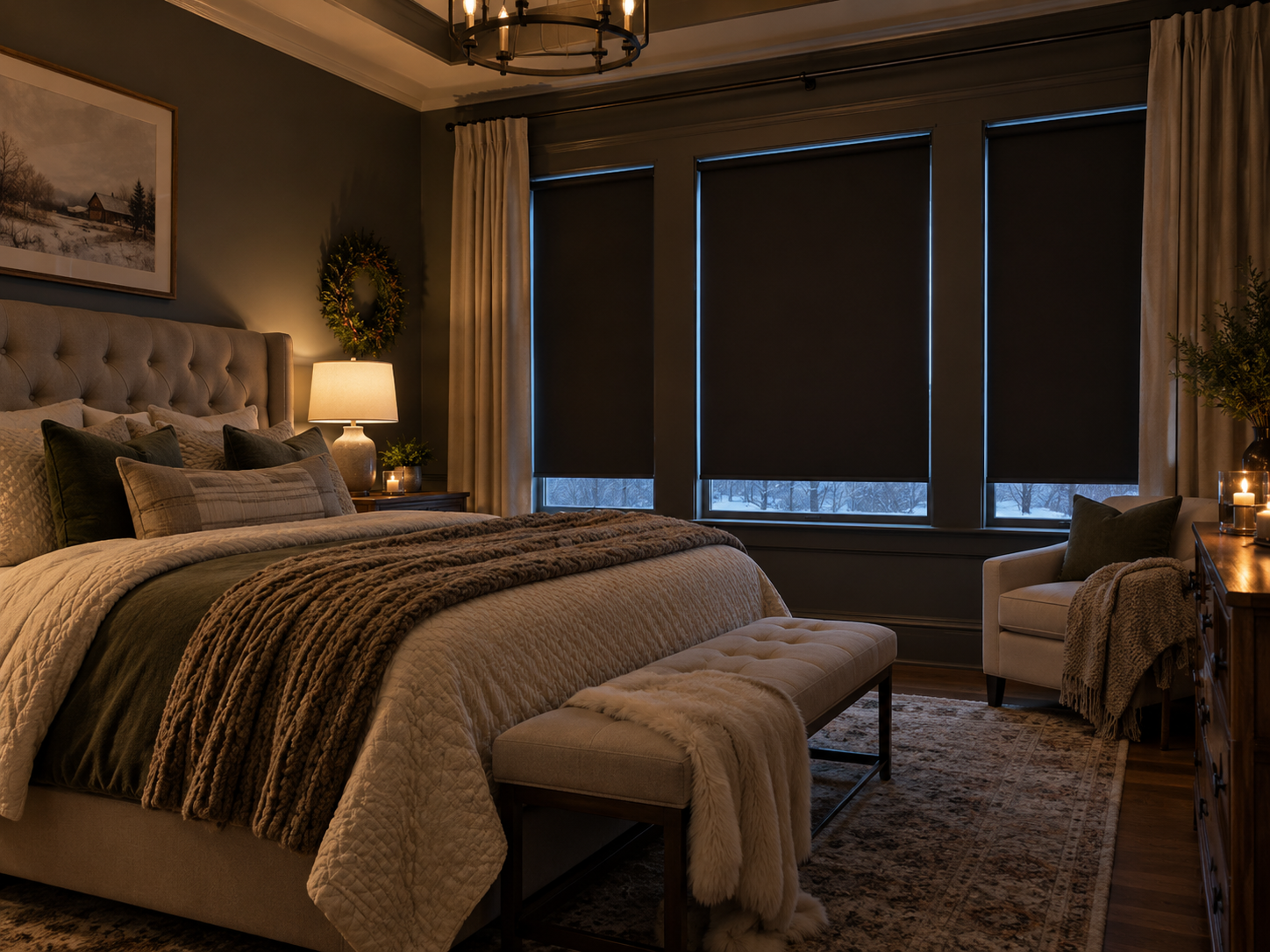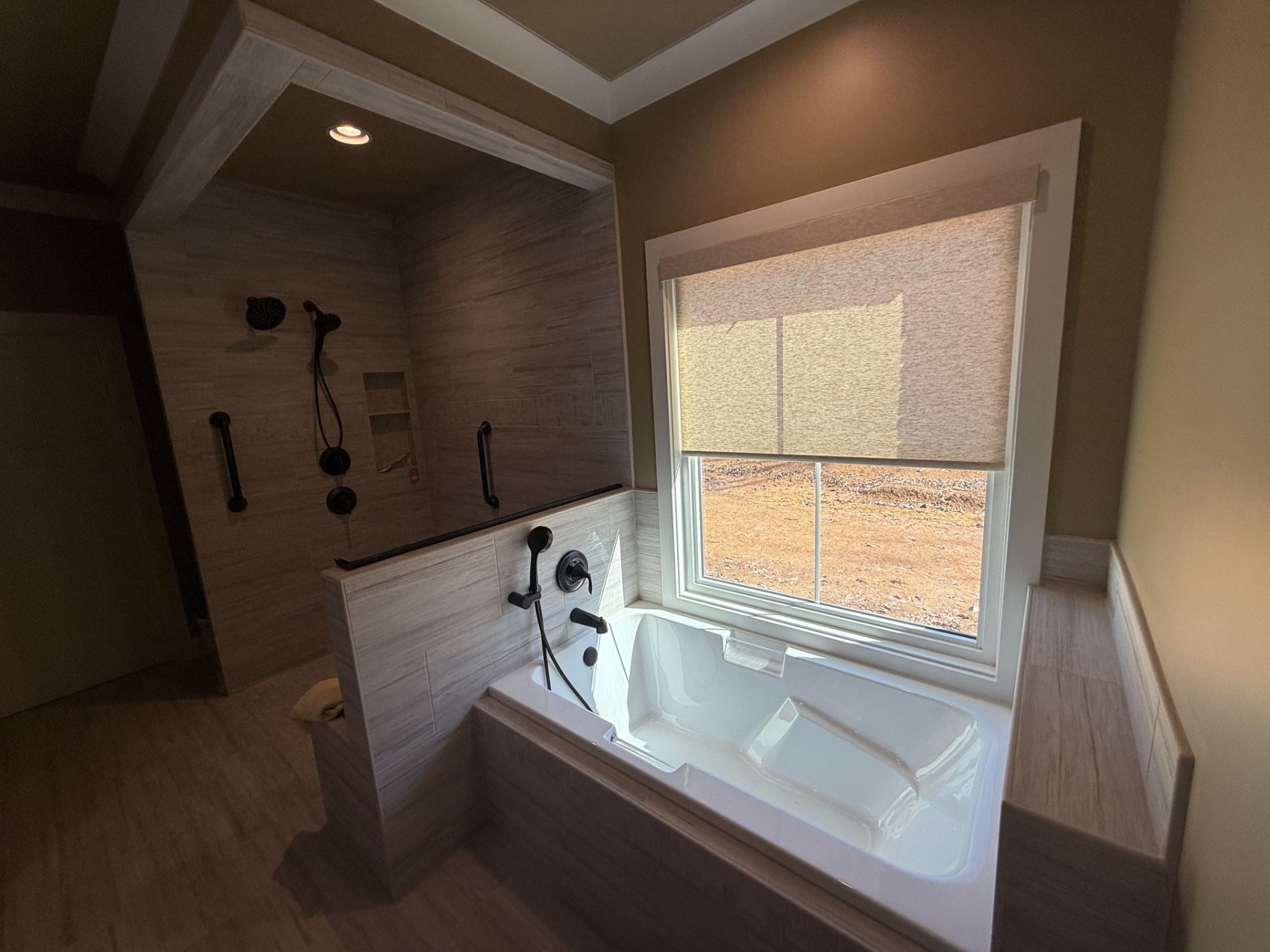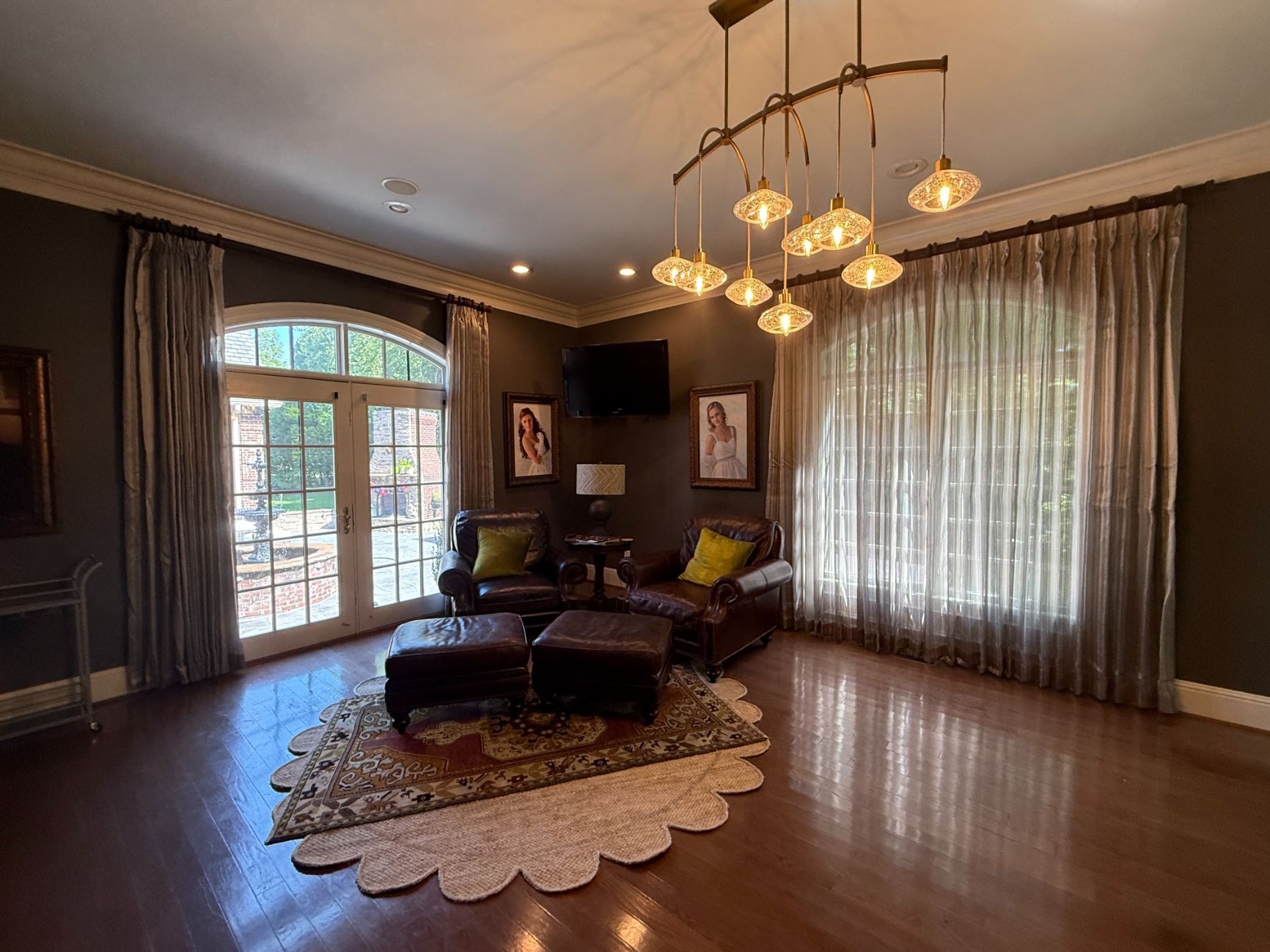

Motorized Blinds Installation in Owensboro: The Complete 2026 Guide
The way we interact with our homes is undergoing a fundamental transformation, and motorized window treatments stand at the forefront of this revolution. Gone are the days of struggling with tangled cords, reaching for inaccessible windows, or manually adjusting blinds throughout the day to manage light and temperature. Today's motorized blinds combine cutting-edge technology with elegant simplicity, putting complete control of your window treatments quite literally at your fingertips—or even better, automating them entirely so you never have to think about them at all. For Owensboro homeowners looking to enhance comfort, convenience, and energy efficiency while embracing smart home technology, motorized blinds represent an investment whose benefits extend far beyond simple automation.
This comprehensive guide explores everything you need to know about motorized blinds in 2026, from the latest technological innovations to practical considerations like cost, installation, and smart home integration. Whether you're building a new home and want to incorporate automation from the ground up, renovating and looking to add modern conveniences, or simply tired of manually operating your existing window treatments, you'll discover why more and more Western Kentucky homeowners are making the switch to motorized solutions. We'll examine the various technologies available, help you understand what to expect in terms of investment, and show you how motorized blinds can transform not just your windows, but your entire living experience.

1. Understanding Motorized Blind Technology in 2026
Modern motorized blind systems have evolved dramatically from the early models that were plagued by noisy motors, limited battery life, and frustrating reliability issues. Today's systems feature whisper-quiet operation—so silent you often can't hear them running at all—combined with powerful, efficient motors that provide years of trouble-free service. The motors themselves are remarkably compact, integrating seamlessly within the headrail of your blinds without adding bulk or affecting appearance. From across the room, motorized blinds look identical to their manual counterparts, with the only visible difference being the absence of cords or wands that can clutter your windows and pose safety risks for children and pets.
Two primary motor technologies dominate the 2026 market, each offering distinct advantages for different applications and preferences. AC-powered motors connect directly to your home's electrical system, providing unlimited operation without battery concerns. These hardwired solutions work brilliantly in new construction or major renovations where running electrical wiring is practical, and they're particularly well-suited for large, heavy blinds or window treatments that operate frequently throughout the day. The main advantage is permanent, reliable power—you never need to think about recharging or replacing batteries. The tradeoff is the need for electrical work during installation, which can increase initial costs and complexity, particularly in existing homes where fishing wires through walls presents challenges.
Battery-powered motorized blinds have surged in popularity thanks to dramatic improvements in battery technology and motor efficiency. Modern lithium-ion battery packs can power typical blinds for 12-18 months or more on a single charge, and some systems using solar panel charging never need manual recharging at all. This wireless approach offers tremendous installation flexibility—you can add motorization to any window without electrical work, making it perfect for existing homes where running new wiring would be impractical or prohibitively expensive. Recent innovations include USB-C charging for faster, more convenient recharging, and automatic low-battery notifications that alert you well before power runs out so you're never caught off guard.

Control options for motorized blinds span from elegantly simple to remarkably sophisticated, allowing you to choose the level of automation that best fits your lifestyle and preferences. Wall-mounted switches provide a familiar, intuitive interface—just like a light switch, they offer one-touch operation to open, close, or position your blinds exactly where you want them. These wired switches can control individual blinds or groups of blinds simultaneously, making it easy to manage entire rooms with a single press. Remote controls take convenience a step further, allowing operation from anywhere in the room without getting up—perfect for bedroom blinds you want to adjust from bed, or living room treatments you control from your favorite chair.
Smartphone apps have become the control method of choice for many homeowners, putting comprehensive blind management in the device you already carry everywhere. Quality motorized blind apps allow you to control individual treatments or create groups, set favorite positions for different times of day or activities, and monitor battery status across all your motorized treatments. The best apps feature intuitive interfaces with visual representations of your home, making it easy to see which blinds are open or closed and adjust them with simple taps. Cloud connectivity means you can control your blinds remotely—close them from work if you forgot before leaving, or open them while on vacation to create a lived-in appearance that enhances security.
2. Smart Home Integration and Automation
The true magic of motorized blinds emerges when they're integrated into your smart home ecosystem, transforming them from individually controlled devices into intelligent components of a cohesive home automation system. In 2026, virtually all major motorized blind manufacturers offer compatibility with leading smart home platforms including Amazon Alexa, Google Home, Apple HomeKit, and Samsung SmartThings. This integration allows voice control—simply say "Alexa, close the living room blinds" or "Hey Google, set the bedroom blinds to 50 percent"—turning window management into an effortless, hands-free experience that feels genuinely futuristic.
Voice control represents just the beginning of smart home possibilities. The real transformative potential lies in automation—programming your blinds to operate automatically based on schedules, conditions, or triggers without any manual intervention at all. Imagine your bedroom blinds gradually opening at sunrise, gently waking you with natural light instead of a jarring alarm. Picture your west-facing living room blinds automatically closing when the afternoon sun would otherwise create glare and heat, then opening again as evening approaches. Envision your entire home's window treatments adjusting throughout the day to optimize natural light, maintain comfortable temperatures, and maximize energy efficiency—all happening seamlessly in the background while you focus on living your life.
Scene creation elevates smart blind control to an art form, allowing you to set precise configurations for different activities and moods with a single command or automation trigger. Create a "Movie Time" scene that closes living room blinds, dims lights, and perhaps even activates your home theater system—all triggered by a single voice command or app button. Program a "Good Morning" routine that gradually opens bedroom blinds over 30 minutes, turns on your coffee maker, and adjusts the thermostat to your preferred wake-up temperature. Establish a "Leaving Home" scene that closes all blinds to a privacy position, locks doors, adjusts thermostats, and arms security systems. These scenes transform your home from a collection of separate devices into an integrated, responsive environment that adapts to your routines.
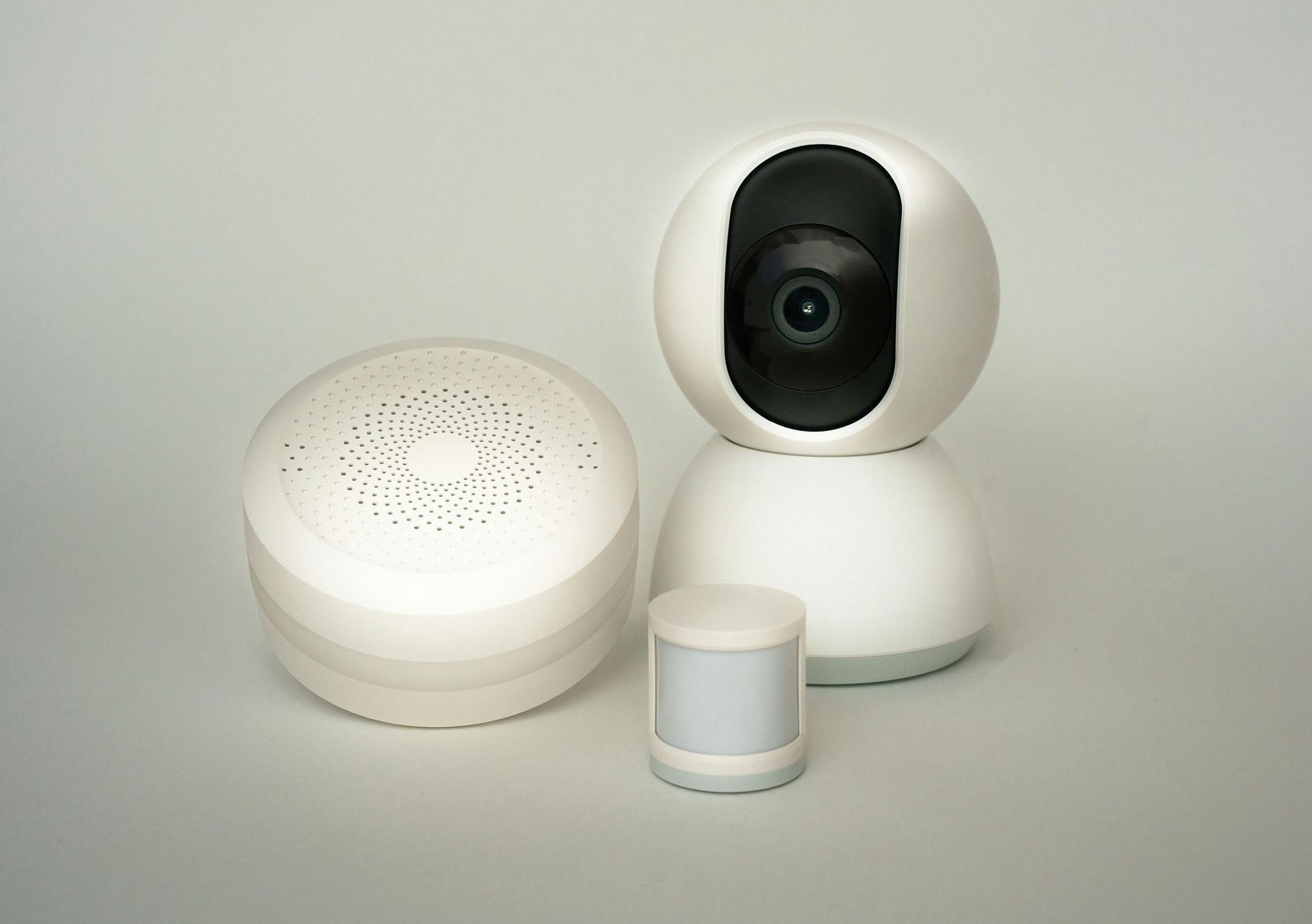
Integration with other smart home sensors and devices unlocks even more sophisticated automation possibilities. Connect motorized blinds to smart thermostats for coordinated energy management—blinds automatically adjust based on heating or cooling needs, helping your HVAC system work more efficiently. Link them to light sensors that measure actual illumination levels, ensuring your rooms always have optimal natural light without manual adjustment. Integrate with security systems so blinds automatically close when you arm the alarm, or follow random patterns during vacations to simulate occupancy and deter potential intruders. Connect to weather stations that close blinds when high winds are detected, protecting both the treatments and your windows from potential damage.
Matter, the new universal smart home standard launched in recent years, has begun transforming the motorized blind landscape by enabling seamless compatibility across different platforms and manufacturers. Matter-certified motorized blinds work natively with all major smart home systems without requiring separate hubs or complex configurations, dramatically simplifying installation and management. This standardization also future-proofs your investment—even if you switch smart home platforms down the road, your Matter-compatible blinds will continue working seamlessly. As more manufacturers embrace Matter throughout 2026 and beyond, smart motorized blinds become increasingly accessible and reliable for homeowners of all technical skill levels.
3. Benefits Beyond Convenience
While effortless operation represents the most immediately obvious advantage of motorized blinds, the benefits extend far deeper into practical areas that meaningfully improve your daily life and long-term costs. Energy efficiency gains from properly programmed motorized blinds can reduce heating and cooling expenses by 15-30% according to Department of Energy studies, translating to hundreds of dollars in annual savings for typical Owensboro homes. This efficiency comes from consistent, optimized adjustment throughout the day—something few homeowners maintain with manual blinds. Automated systems don't forget to close south-facing blinds during peak summer heat, or neglect to open them on cold, sunny winter days when free solar heating could reduce furnace runtime. This consistent optimization compounds over months and years, delivering substantial energy savings that help offset the initial investment in motorization.
Child and pet safety represents another crucial benefit that resonates deeply with many families. Traditional corded blinds present documented strangulation hazards to young children—Consumer Product Safety Commission data shows hundreds of incidents annually, some tragically fatal. Motorized blinds completely eliminate these dangers by removing all accessible cords and chains from the equation. There's nothing to tangle, nothing to wrap around little necks, nothing to pose even a theoretical risk to curious toddlers or playful pets. For parents and pet owners, this safety factor alone often justifies the investment in motorization, providing priceless peace of mind that your window treatments pose absolutely no threat to the vulnerable members of your household.
Accessibility considerations make motorized blinds not just convenient but genuinely life-changing for individuals with mobility limitations, arthritis, or other conditions that make operating manual window treatments difficult or impossible. Tall windows, hard-to-reach locations, and heavy treatments that require significant strength become easily manageable with the press of a button or voice command. This independence and capability represent profound quality-of-life improvements for aging-in-place homeowners, individuals with disabilities, or anyone who struggles with the physical demands of manual blind operation. Motorization transforms window treatments from potential barriers into effortlessly manageable elements of the home environment.
UV protection and furnishing preservation benefit from the consistent, automated management that motorization enables. The sun's ultraviolet rays relentlessly fade and damage furniture, flooring, artwork, and textiles—but only when those items are exposed to direct sunlight. Motorized blinds programmed to close during peak sun hours on vulnerable windows provide consistent protection that manual operation rarely achieves. Most homeowners have good intentions about protecting their furnishings, but the reality is that manual adjustments get forgotten in the busy flow of daily life. Automation ensures protection happens every single day without fail, preserving your interior investments and preventing thousands of dollars in premature fading and deterioration.
Security enhancements from motorized blinds operate on multiple levels. Basic scheduling creates the appearance of occupancy when you're away—blinds opening and closing on your normal schedule make it appear someone is home even during extended vacations. More sophisticated systems can randomize timing and patterns, creating truly convincing simulations of occupied homes that deter potential burglars who watch for predictable patterns. Integration with security systems enables immediate response to alarms—all blinds instantly closing to prevent outsiders from seeing interior layouts or valuables. Some homeowners appreciate the privacy reassurance of programming blinds to automatically close at dusk each day, ensuring their homes are never inadvertently exposed when lights come on in the evening.
4. Investment and Cost Considerations
Understanding the financial commitment required for motorized blinds helps you plan effectively and make informed decisions that balance budget with desired features and benefits. Basic motorized roller shades or cellular shades for standard-sized windows typically range from $300 to $600 per window including the motorization system, the shade itself, and professional installation. These entry-level motorized options deliver all the core benefits—convenient operation, schedule automation, and safety—making them accessible to homeowners who want to experience motorization without significant budget stretch. Battery-powered systems at this price point usually include rechargeable batteries with 12+ month life and basic remote controls for operation.
Mid-range motorized blinds, encompassing quality materials, enhanced features, and better smart home integration, generally cost $600 to $1,200 per window installed. This price tier includes options like wood or faux wood blinds with integrated motors, premium cellular shades with top-down/bottom-up motorization, or high-quality roller shades with smart home hub integration. At this level, you typically gain smartphone app control, voice assistant compatibility, more sophisticated scheduling capabilities, and better overall build quality that ensures years of reliable operation. The motors tend to be quieter and more powerful, and you often have more choices in terms of fabrics, colors, and operational features.
Premium motorized window treatment systems can range from $1,200 to $3,000+ per window for large sizes, luxury materials, or complex configurations. This category includes high-end options like motorized plantation shutters, designer fabrics with built-in smart sensors that automatically respond to light levels, or fully integrated systems with hardwired power and whole-home control capabilities. Specialty applications—skylights, angled windows, or extremely large expanses of glass—often fall into this higher price range due to engineering requirements and specialized motors needed to handle challenging installations. While the investment is substantial, the results in terms of functionality, appearance, and integration are truly exceptional.
Whole-home motorization projects benefit from volume pricing that can meaningfully reduce per-window costs. Many providers offer graduated discounts when motorizing multiple windows simultaneously—often 10-15% off for whole-home installations compared to individual window pricing. Beyond direct cost savings, whole-home projects deliver maximum benefit in terms of unified control, consistent automation, and comprehensive smart home integration. The ability to manage every window treatment in your home from a single app, create house-wide scenes, and coordinate automation across all rooms represents a qualitatively different experience than motorizing one or two windows in isolation.
Long-term value considerations extend beyond the initial purchase price. Quality motorized blind systems typically carry warranties of 5-10 years on motors and electronics, with many manufacturers offering even longer coverage on physical components like fabrics, slats, and headrails. This longevity, combined with energy savings that can reach $200-500 annually for whole-home installations, means motorized blinds often pay for themselves over their operational lifetime. Factor in the avoided costs of replacing cheap manual blinds every few years, the reduced HVAC wear from improved efficiency, and the preservation of furnishings from UV damage, and the total cost of ownership calculation becomes quite compelling. When you eventually sell your home, motorized blinds represent a desirable smart home feature that appeals to buyers and can contribute to higher sale values and faster sales.
5. Choosing the Right System for Your Owensboro Home
Selecting the optimal motorized blind system requires thoughtful consideration of your specific needs, preferences, and home characteristics. Begin by evaluating which windows would benefit most from motorization—you don't necessarily need to automate every window in your home to realize substantial benefits. High-priority candidates include hard-to-reach windows like clerestories, skylights, or windows above stairs where manual operation is awkward or dangerous. Large, heavy treatments that are cumbersome to operate manually benefit tremendously from motorization. Frequently adjusted windows in primary living spaces like bedrooms, home offices, and media rooms deliver maximum convenience return on your automation investment.
Power source decisions depend on your specific situation and priorities. For new construction or major renovations where electrical wiring is practical, hardwired AC power eliminates any battery concerns and provides the most permanent, maintenance-free solution. This approach works particularly well when motorizing many windows simultaneously—running power to multiple locations during construction adds marginal cost and delivers long-term convenience. For existing homes where electrical work would be disruptive or expensive, battery-powered systems offer excellent performance with minimal installation complexity. Consider solar-charging options for windows with good sun exposure—they effectively provide permanent power without electrical work or manual recharging.
Smart home ecosystem compatibility should align with your existing or planned home automation platform. If you've already invested in Amazon Alexa, Google Home, or Apple HomeKit systems throughout your home, choosing motorized blinds that integrate natively with that platform ensures seamless operation and unified control. For homeowners just beginning their smart home journey, Matter-compatible systems offer maximum flexibility and future-proofing. Consider whether you want basic app and voice control, or if you plan to implement sophisticated automation with scenes, schedules, and sensor integration—this influences which control systems and hubs you'll need.
Material and style selection for motorized blinds follows similar considerations to manual options, with a few specific motorization factors. Roller shades and cellular shades motorize particularly well due to their straightforward operation and relatively light weight—they're often the most cost-effective options for motorization. Horizontal blinds including wood and faux wood alternatives work beautifully with motors, though the tilting function may or may not be motorized depending on the system. Some providers offer tilt-only motorization that allows manual raising and lowering while automating the slat angle for light control—a cost-effective middle ground. Roman shades, vertical blinds, and plantation shutters can all be motorized, though the complexity and cost increase with these more substantial treatments.
Working with experienced local professionals ensures your motorized blind investment delivers maximum satisfaction and performance. Motorization adds complexity to the selection, installation, and integration process—expertise in programming, smart home connectivity, and troubleshooting becomes crucial. Local Owensboro providers who specialize in motorized treatments bring valuable experience with different systems, platforms, and applications. They can recommend specific solutions based on your home's characteristics, help you avoid compatibility issues, program automation scenes and schedules, and provide ongoing support when questions or service needs arise. The peace of mind and optimal performance that comes from professional guidance represents significant value, particularly for homeowners new to home automation.
Conclusion
Motorized blinds represent far more than a luxury convenience—they're a practical investment in safety, energy efficiency, accessibility, and the modern smart home lifestyle that's rapidly becoming standard rather than exceptional. As technology continues advancing and costs gradually decline, motorization transitions from a high-end indulgence to an expected feature in thoughtfully designed homes. The benefits touch nearly every aspect of daily life, from the simple pleasure of effortless window control to meaningful monthly savings on utility bills, from enhanced security during vacations to genuine independence for family members with mobility challenges.
If you're ready to experience the convenience, efficiency, and sophistication of motorized blinds in your Owensboro area home, Simmonds Blinds and Drapes brings comprehensive expertise in both traditional and motorized window treatments. We'll help you evaluate your specific needs, recommend systems that align with your budget and smart home platform, handle professional installation, and provide ongoing support to ensure your motorized blinds deliver years of trouble-free operation. Contact us today at (270) 775-2964 or visit our showroom at 1128 Highland Drive in Beaver Dam to explore the latest motorized options and discover how automation can transform your home's comfort, efficiency, and livability. The future of window treatments is here—let us help you make it part of your home.
Recent Posts